2nd-Row Luxury or 3rd-Row Capacity? Choosing Between the 2026 Mazda CX-70 and CX-90
February 27 2026,
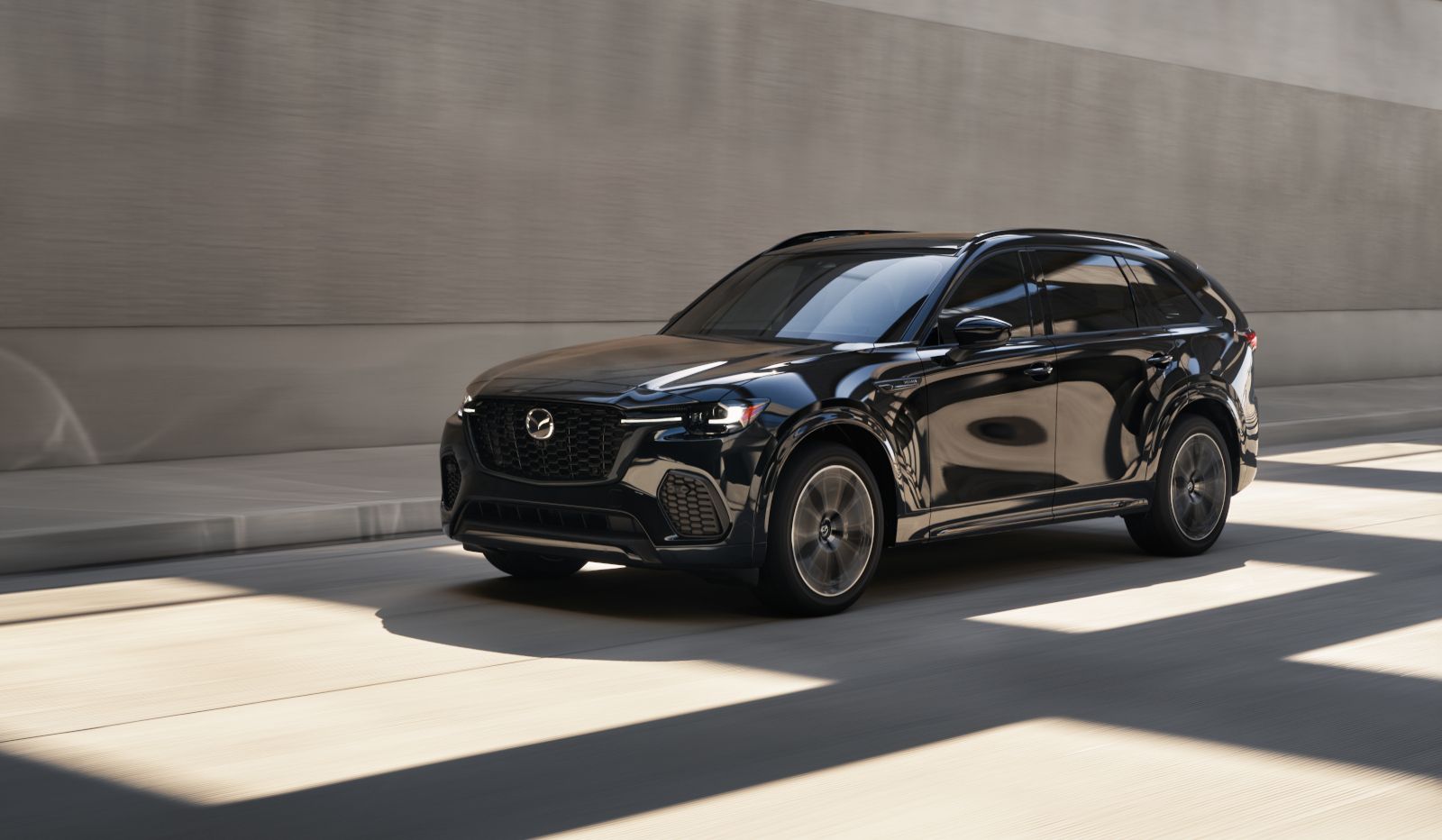
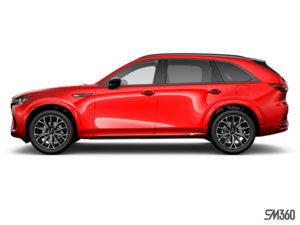
Mazda's flagship SUV lineup offers two distinct approaches to premium family transportation. The 2026 CX-70 and CX-90 share identical exterior dimensions and platform architecture, yet deliver fundamentally different interior experiences. This similarity creates a unique decision point for British Columbia families: prioritize the specialized cargo solutions and spacious two-row layout of the CX-70, or embrace the eight-passenger capacity of the CX-90.
Understanding which model aligns with your needs requires looking beyond exterior appearance. Both SUVs offer the same advanced technology, powertrain options, and refined driving dynamics. The critical difference lies in how each model optimizes its interior space - a choice that directly impacts daily usability, cargo flexibility, and long-term satisfaction.
At a Glance: CX-70 vs. CX-90 Interior Layout
|
Feature |
CX-70 (2-Row) |
CX-90 (3-Row) |
|
Seating Capacity |
Five passengers |
Eight passengers (2-3-3 layout) |
|
Cargo Focus |
Specialized storage with unique sub-trunk design |
Traditional three-row SUV cargo area |
|
Second-Row Configuration |
Spacious bench |
Bench or captain's chairs (select trims) |
Seating Configuration and Passenger Comfort
The CX-70 dedicates its entire interior volume to first and second-row occupants. This two-row configuration provides strong rear legroom and shoulder space, making it ideal for families with older children or couples who frequently transport adult passengers.
The CX-90 PHEV GS delivers eight-passenger seating through its 2-3-3 layout. This configuration includes a three-person second-row bench and a three-person third row. Higher trims offer captain's chairs in the second row, reducing capacity to seven passengers while improving second-row comfort and third-row access. The CX-90's tri-zone automatic climate control includes dedicated vents for third-row passengers, ensuring comfort across all three rows.
Cargo Solutions and Storage Flexibility
The CX-70's two-row layout enables Mazda to incorporate a unique sub-trunk design beneath the cargo floor, creating hidden storage for valuable items or equipment that needs protection from temperature extremes. Additional compartments and hooks throughout the cargo area accommodate bags, sports equipment, and other gear without cluttering the main load floor.
The CX-90 follows traditional three-row SUV cargo conventions. With all three rows in use, cargo space is limited to immediate needs - groceries, small bags, and daily essentials. Folding the third row expands capacity substantially, though not to the specialized storage volume the CX-70 provides. Families who regularly transport seven or eight passengers will find this trade-off acceptable, while those prioritizing cargo flexibility may prefer the CX-70's approach.
Powertrain Options Across Both Models

Both the CX-70 and CX-90 offer MHEV (mild hybrid) and PHEV (plug-in hybrid) powertrains. The MHEV models use a 3.3-litre turbocharged inline-six engine with 48-volt mild-hybrid assist, delivering refined power and efficiency. PHEV variants pair electric and gasoline power for enhanced fuel economy and the ability to drive on electric power alone under certain conditions.
Mazda Intelligent Drive Select (Mi-Drive) comes standard on every PHEV model, offering Normal, Sport, Off-Road, and EV modes. This system allows drivers to optimize performance based on road conditions and driving preferences, regardless of whether they choose the CX-70 or CX-90.
Technology and Connectivity Features
Interior technology remains consistent between both models. The GS-L trim and above feature a 12.3-inch centre display with touchscreen interface, Wireless Apple CarPlay, Wireless Android Auto, and wireless phone charging. The entry-level GS trim includes a 10.25-inch full-colour centre display with wired smartphone integration. Mazda's Harmonic Acoustics eight-speaker audio system delivers premium sound quality throughout the cabin.
Both SUVs include an advanced suite of ADAS features, providing driver assistance technologies that enhance safety and reduce fatigue during long drives across British Columbia. The hands-free power liftgate, standard on GS-L and higher trims, simplifies loading when hands are full.
Exterior Design and Styling Updates
All 2026 CX-70 models now feature gloss black Mazda emblems and black badges on the rear liftgate, enhancing the SUV's sporty appearance. A new Deep Crystal Blue Mica paint finish debuts on GT and GT-P trims. The CX-70 GS-L trim includes 19-inch dark grey high lustre metallic finish alloy wheels, a piano-black front honeycomb grille, roof rails, and other exterior garnishes.
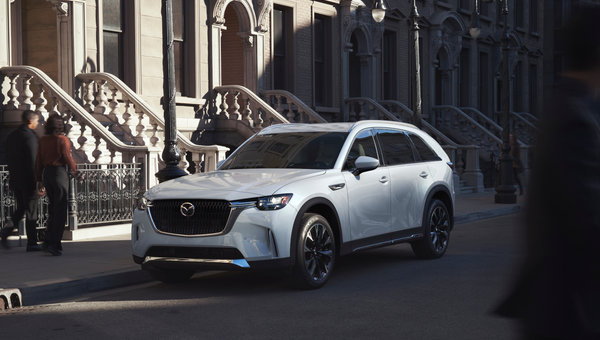
MHEV models feature an Inline 6 fender badge. The CX-90 maintains a similar design language with subtle differentiation in badging and trim-specific details. Both SUVs project Mazda's premium design philosophy, ensuring either choice delivers sophisticated road presence.
Which Model is Right for You?
Choose the CX-70 if your priorities include specialized cargo management, maximum rear passenger space, and the flexibility to transport large items regularly. Families with two or three children, outdoor enthusiasts who carry sports equipment, or professionals who need secure storage for valuable gear will appreciate the CX-70's focused approach.
Select the CX-90 if you regularly transport more than five passengers. Families with three or more children, those who frequently carpool, or households that value the flexibility of occasional third-row seating will find the CX-90's eight-passenger capacity essential. The ability to accommodate extended family or friends without requiring a second vehicle justifies the cargo trade-off for many buyers.
Pricing and Trim Availability
The 2026 CX-70 starts at $49,750 for the MHEV GS trim. Pricing shown reflects the price at the time of writing. Final pricing may vary. The CX-70 PHEV expands availability with three new trims: GS SC, GS-L SC, and Signature.
The 2026 CX-90 starts at $47,100 for the MHEV GS trim, with PHEV models beginning at $53,750. Both model lines offer comparable trim levels and equipment packages, ensuring feature parity regardless of seating configuration. The choice between CX-70 and CX-90 centres on interior layout rather than technology or powertrain availability.
Experience Both Models at Pacific Mazda
The decision between two-row luxury and three-row capacity requires direct experience. Visit Pacific Mazda to compare the CX-70's specialized storage solutions with the CX-90's eight-passenger versatility.